Travellers should familiarise themselves with our Peace of mind travel policy for Covid-19 as well as the terms and conditions applicable at the time of booking.
Escorted
Odyssey offers easy, convenient, and relaxed escorted across Japan. We explore Japan's fairy-tale natural beauty, its ancient history, and Imperial heritage, its World Heritage Sites, and world famous cities, all with some truly all waiting to be explored on one of Odyssey’s small group .
Odyssey Traveller's escorted are packages that will take you from 's imperial city of to the neon-lit capital of , tracing more than 2,000 years of history and culture of the Land of the Rising Sun with a knowledgable . The first departure each year of this is timed to allow the traveller whether a couple or single traveller to visit during Hanami or
now has the world's third largest economy following the country's remarkable post-war expansion, and the enjoy the highest life expectancy in the world (81 years for men and 87 years for women, as of 2018). A modern, highly industrialised country, is still heavily influenced by the legends and myths from its imperial history, to Shoguns , as can be seen in its art, architecture, literature, and traditions.
On this Odyssey , we will be led by our English-speaking guides as we learn about Shintoism and Buddhism, visit and new, and other Sites, admire the country's natural scenery, understand the concept of forest bathing on spiritual well being and immerse ourselves in the including that define on a of .
Itinerary
Experience Traditional in
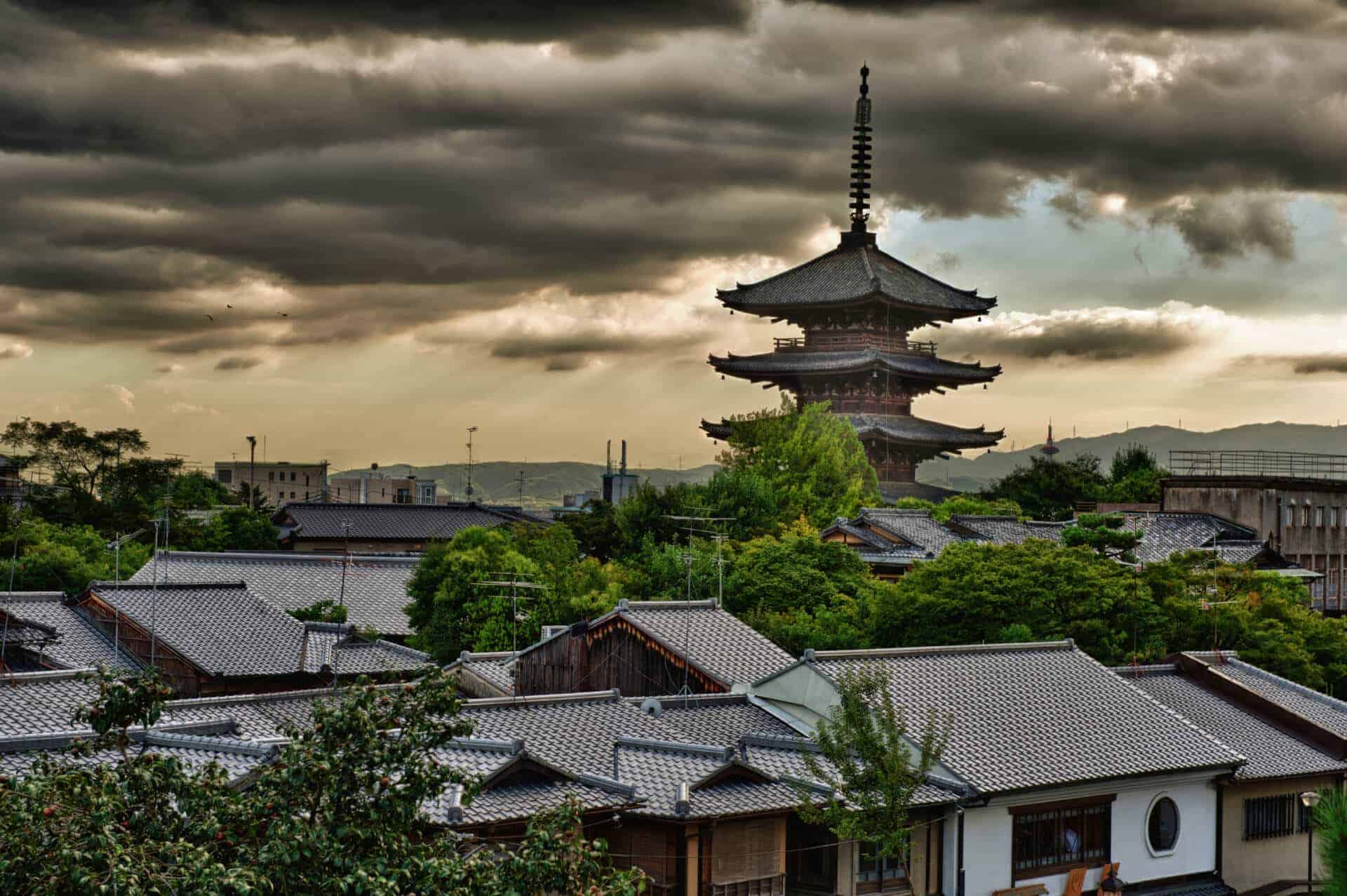
, the "thousand-year capital", is synonymous with traditional , evoking images of , (s), geishas in kimonos, the quiet , , and Zen gardens. Originally named Heian-kyo ("capital of peace and tranquility"), became the seat of the imperial court beginning in the year 794 until 1869, when the capital moved to Edo (modern-day ). Heian-kyo was renamed (simply, "capital city") in the 11th century, and retained a lot of its traditional architecture as it was spared from bombings during World War II.
It is also in where formed its identity, veering away from more than a century of Chinese influence and fixation on China's Tang Dynasty. Here they developed their phonetic script distinct from Chinese characters, compiled their own poetic forms, and developed uniquely themes in their paintings.
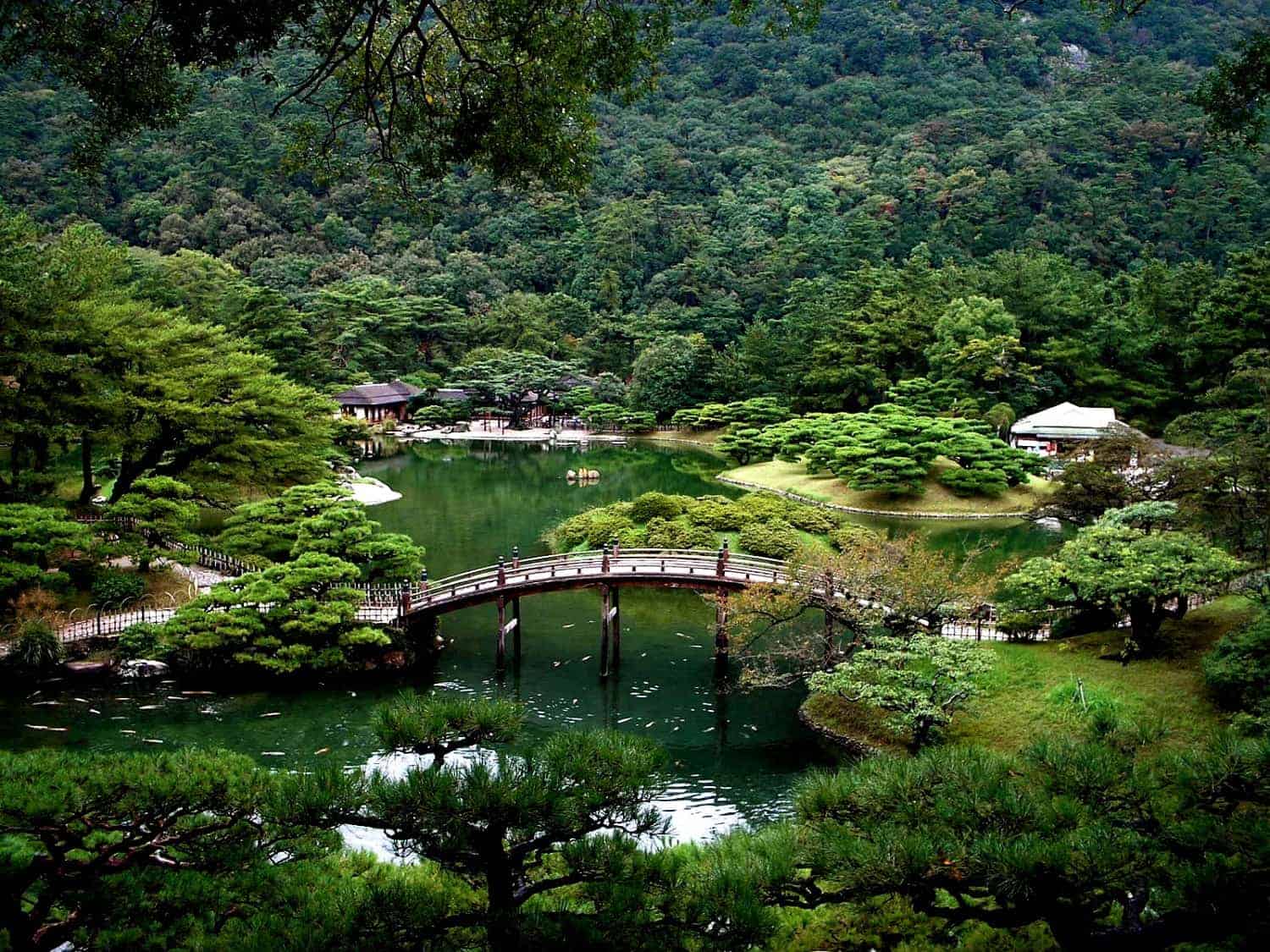
While (birthplace of videogame powerhouse, Nintendo) has certainly embraced the future, walking through certain parts of the city still feels like stepping into old . On our sightseeing , we will visit numerous of Buddhists and shrines. Ryoanji and its famous rock garden used to be an aristocrat's villa that was converted into a Zen in 1450. This Buddhist now belongs to the Myoshin-ji school of the Rinzai sect of Zen Buddhism. Its rock garden is a fine example of kare-sansui ("dry landscape") a garden design which features rock formations arranged on raked smooth pebbles to facilitate meditation.
We will also visit Kinkakuji , also known as the Golden Pavilion as the structure's top two floors are completely covered in gold leaf. This ancient overlooking a pond used to be the retirement villa of the shogun Ashikaga Yoshimitsu.
From there we move to Nara , the capital of from 710 to 784. In Nara , we will visit the stunning Todaiji and the beautiful Kasuga Taisha . We will also spend time in Nara Park with its hundreds of free-roaming deer. If time allows, we will have the opportunity to participate in an authentic .
Peace and Sacred Scenery in Hiroshima
Moving southwest from Kyoto, we enter Hiroshima, a major urban centre in the 1870s during Japan's imperial period, and a city destroyed in an instant in August 1945 with the dropping of the atomic bomb during World War II. Hiroshima made an impressive recovery after the war, and is now home to more than two million people.
We will travel from Kyoto to Hiroshima by train, visiting the Hiroshima Peace Memorial Museum, erected in remembrance of the devastation and the lives lost in the bomb attack. The adjacent Peace Park, built near the hypocentre of the blast, is dedicated to the hope of a lasting peace. The moving "Statue of Mother and Child in the Storm" created by sculptor Hongo Shin stands along Peace Boulevard, depicting a mother cradling an infant and lifting another child clinging to her back, expressing the city's continued advocacy for the total abolition of nuclear weapons. The Peace Park was built around the bombed ruins of the Hiroshima Prefectural Industrial Promotion Hall, which is now known as the Genbaku (A-Bomb) Dome and left untouched to serve as a memorial.
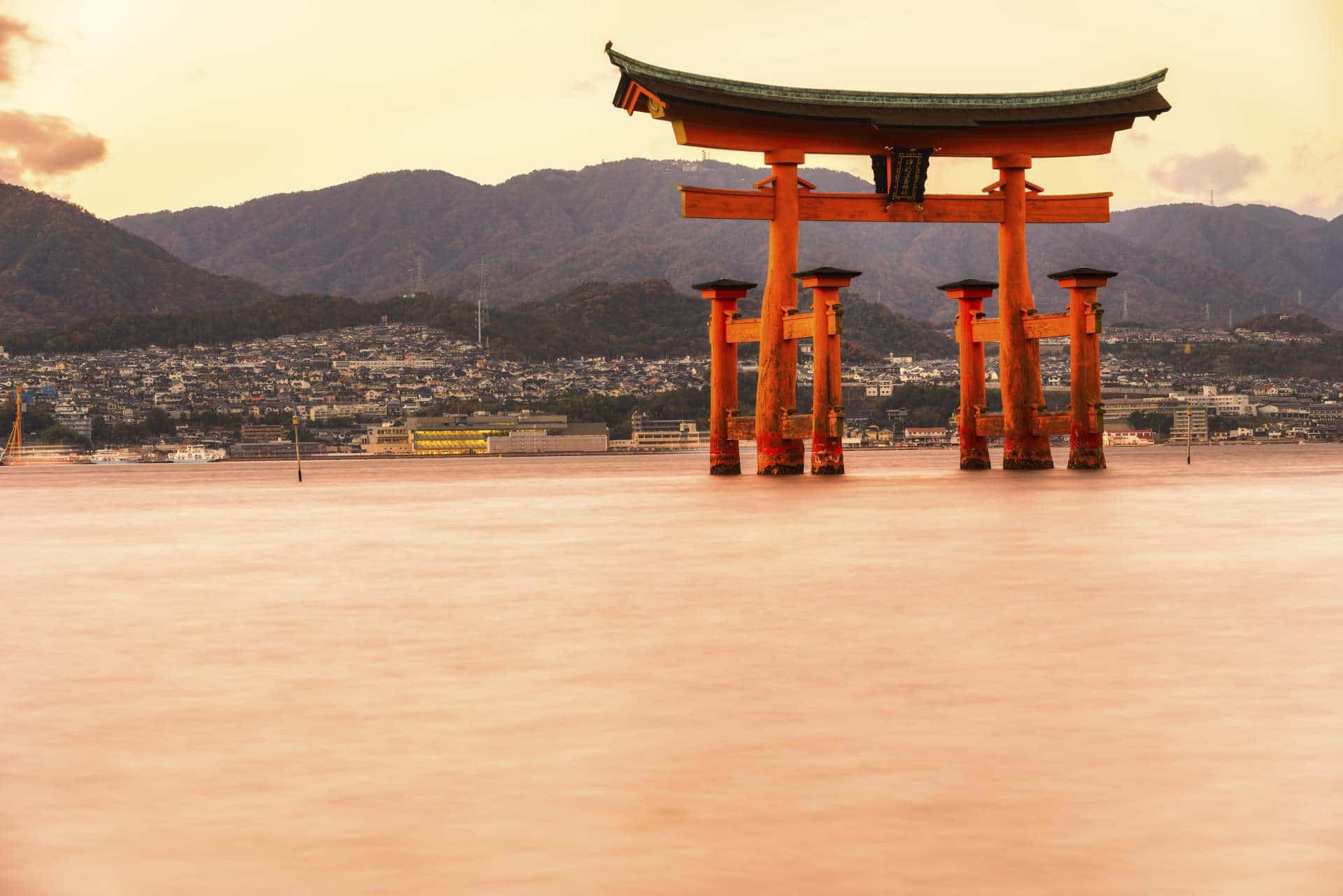
We then visit the island of Miyajima ("Shrine Island") less than an hour off the coast of Hiroshima. Miyajima's real name is Itsukushima, which Buddhist monk Kobo Daishi (Kukai) established as an ascetic site for the Shingon sect of Buddhism in the 8th Century. In 1643, a Confucian scholar, Shunsai Hayashi, travelled around Japan on foot and called Miyajima one of the "Three Most Scenic Spots in Japan". His high praise remains accurate. Miyajima is famous for the UNESCO World Heritage site of Itsukushima-jinja, featuring the red torii (shrine gate) which at high tide seems to float on the water.
Our trip to Hiroshima also includes a guided sightseeing tour, by private car, that takes us to Shukkei-en Garden ("shrunken-scenery garden"), a garden replicating the traditional aesthetics of Japanese garden design in miniature, and the magnificent Hiroshima Castle.
The Castle Town of Matsue
From Hiroshima we travel north to Matsue, also known as the "City of Water" as it is near the Sea of Japan, sitting between Lakes Shinji and Nakaumi.
Matsue is a castle town crossed by many canals and has one of the twelve remaining original castles in Japan. As Matsue is a former feudal stronghold, its buildings and layout reflect its history. We will visit the Adachi Art Museum and gardens to gain an understanding of the art of Japan. For its creator businessman, Adachi Zenko, the Adachi is about finding and appreciating beauty through art, as seen through the tranquillity of the garden or the painted world of the Japanese artist.
The Mountain Resort of Hakone
After Matsue we take a short flight to Haneda, to make a trip to the mountain resort of Hakone, famous for its hot springs resorts (onsen) and breathtaking views of Japan's iconic volcano, Mount Fuji. We spend the day in the Hakone National Park, and at the end of the day there is the opportunity to enjoy a traditional spa package in the hot springs.
This Japan Tour closes with Tokyo
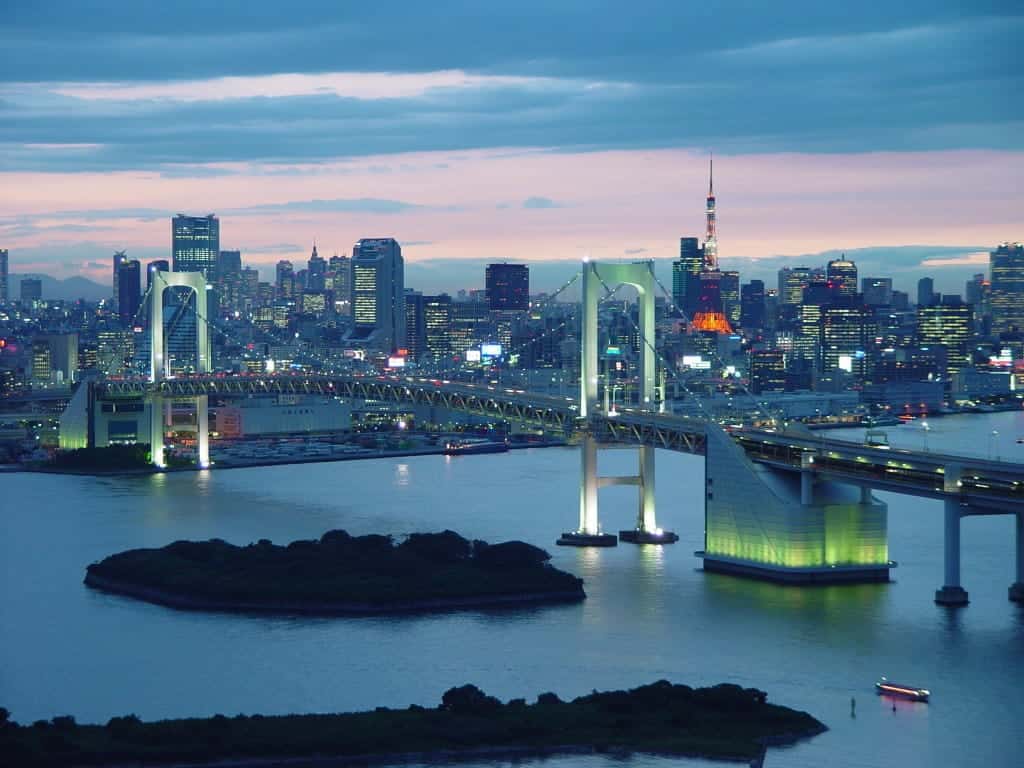
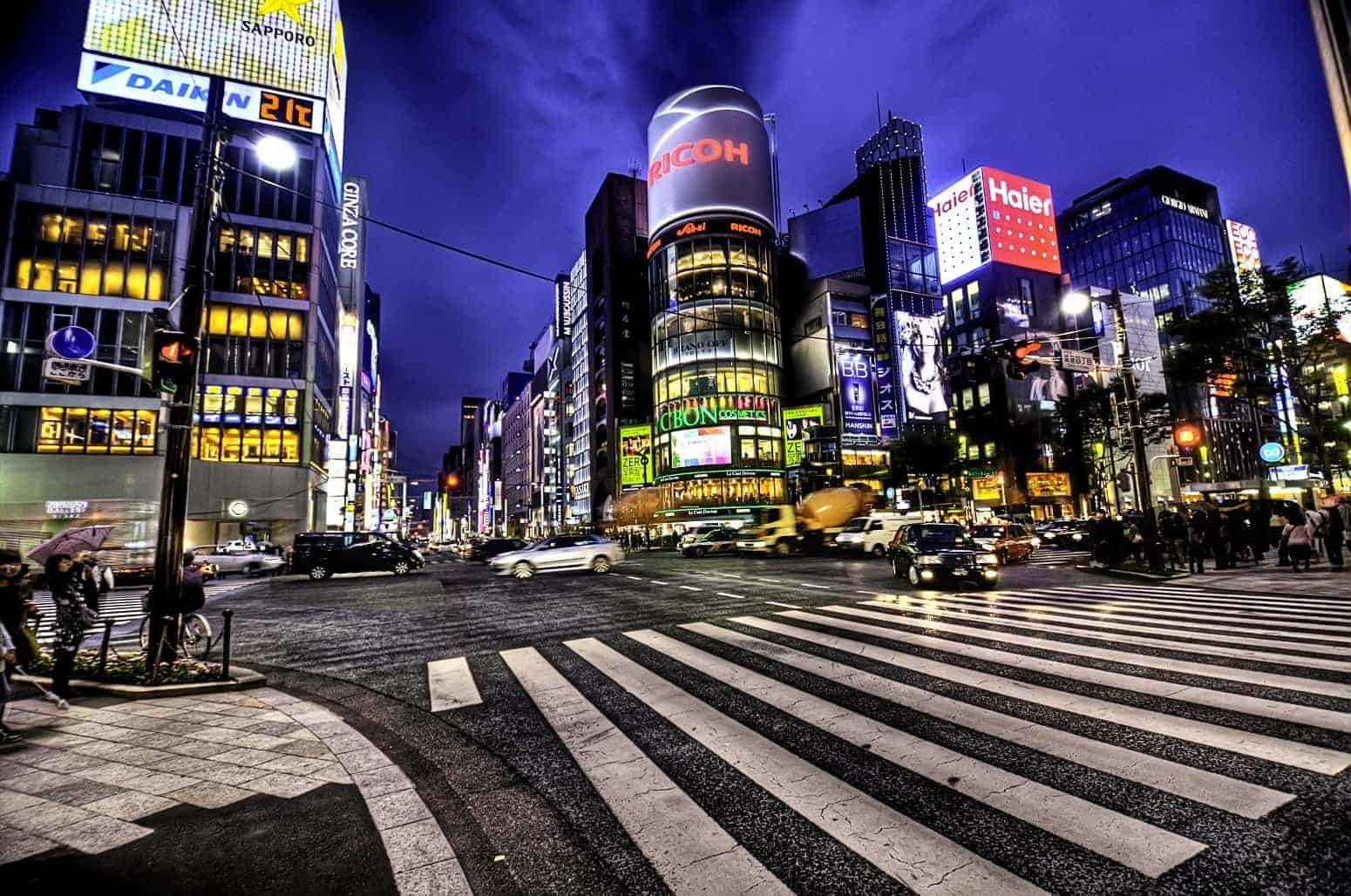
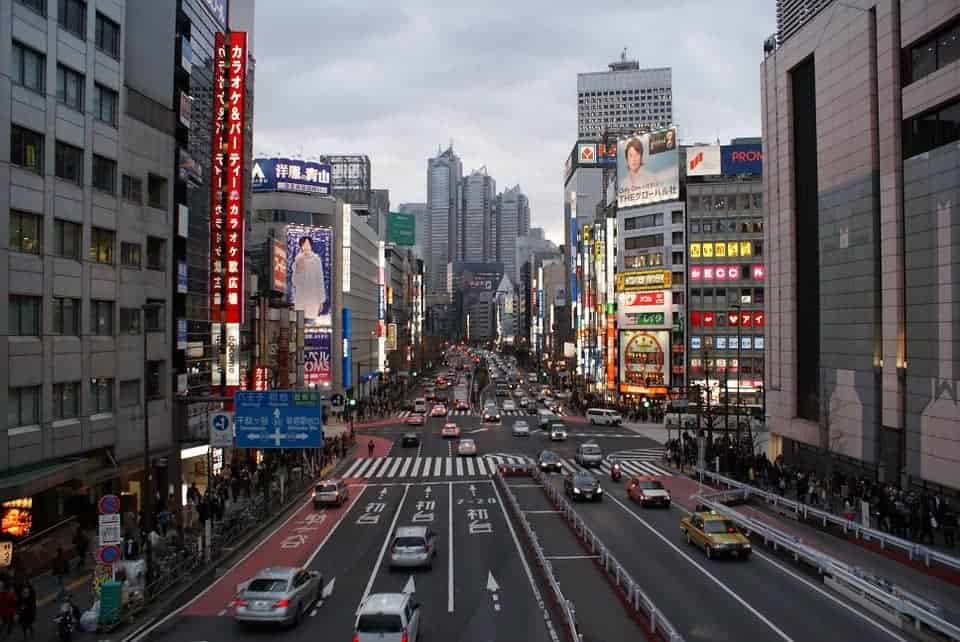
is 's capital and one of the world's most populous cities. It has been the seat of the Emperor of since 1869 following the Meiji Restoration, and is a bustling centre of fashion, entertainment, gastronomy, and culture. When we first arrive in , we have a full day of sightseeing followed by two free days which you can use at your leisure to explore the city. The metro is accommodating for people of all ages, and the signs are in English and . The diversity of places to visit and experience can easily fill the last two days of this . Your Odyssey program leader and local (s) will assist you if you need help with planning these last two days. Finally, we come together for a farewell dinner to conclude our .
All our (s) include an English-speaking guide to introduce you to the rich heritage of this incredible nation as you . Odyssey Traveller's tours of remain very popular. Odyssey has an article with tips about travelling in .
You can learn more about Japan with our country profile where all other tour departures are listed as well. For more details about our guided tour Exploring Japan, click the 'Top 5' or 'Itinerary' buttons above! If you’re keen to experience this tour, please call or send an email. Or, to book, simply fill in the form on the right hand side of this page.
Articles about Japan from Odyssey.
The following list of articles are published by Odyssey Traveller to maximise the senior travellers' knowledge and enjoyment of Japan when visiting:
External articles of interest about Japan for the traveller.
The following list of articles are or are carefully selected external source to maximise senior travellers' knowledge and enjoyment of Japan when visiting:
- Itineraries may change if flight schedules, site availability, and other inclusions have to be amended prior to departure.
- Group size is limited to 18.
- On Day 7 our luggage is transported to our Tokyo hotel, therefore you will need an overnight bag for the the two (2) nights spent in Matsue and Hakone.







You May Also Like

Mongolia Small Group Tour | Discover the history and culture of Mongolia
Mongolia is a relatively unexplored country for travellers but it has many diverse landscapes to explore, and interesting cultures to become acquainted with, all existing in a country with few cities and towns but with extensive rural lands that remain the domain of nomadic herders. Small group tour for couples or solo travelers

Sri Lanka | Culture and History Small Group Tour
A small group tour of Sri Lanka for mature couples and solo travellers is a great introduction to the trading history of the world and “Spice” The centre of the island offers rolling hills, year round cool climate and former British colonial hill stations complete with Tudor hotels, rose gardens and the oldest golf course in Asia. Scattered around the country are National Parks filled with game. The world’s first game reserves were founded in Sri Lanka over 2,000 years ago.
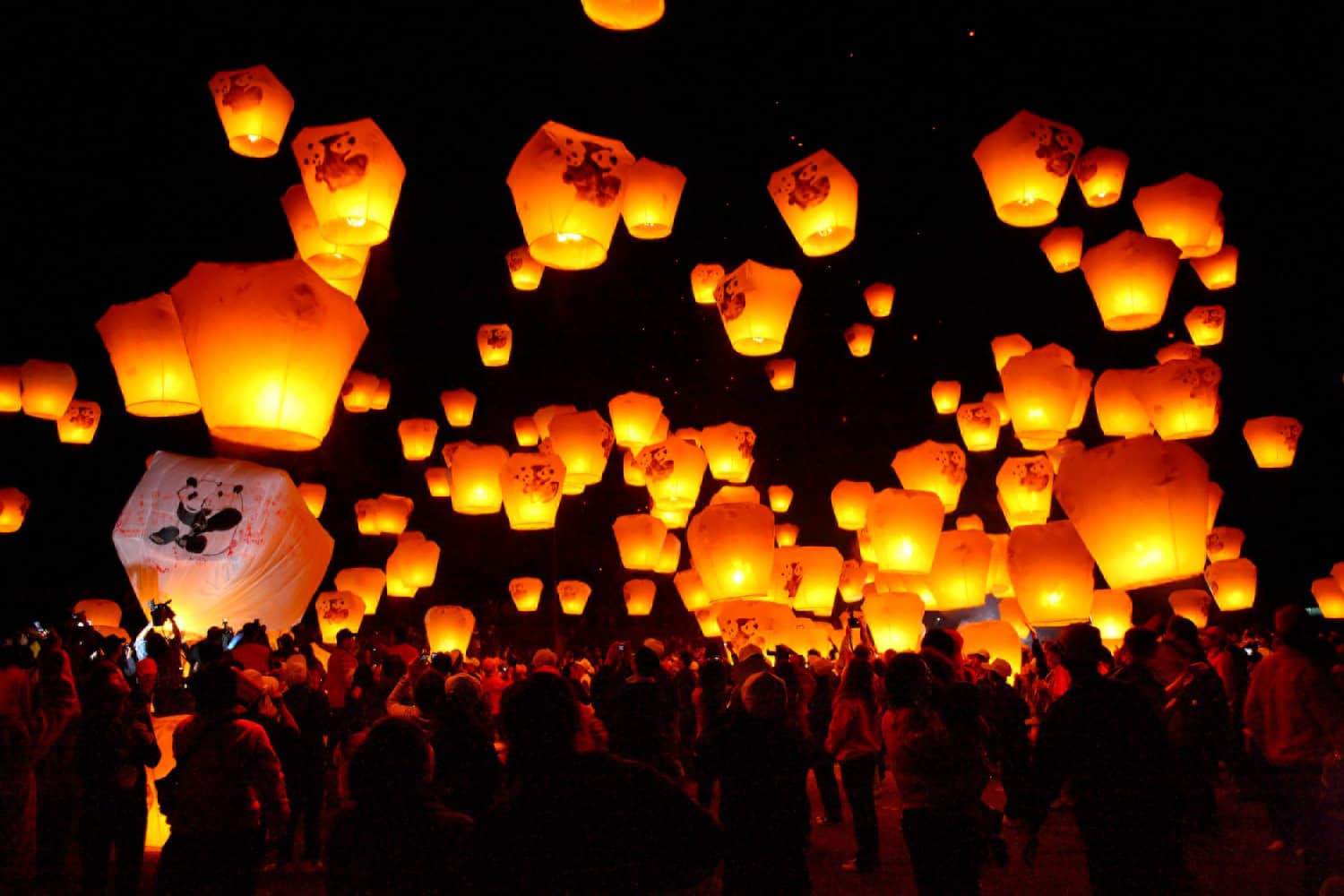
Taiwan Lantern Festival small group tour
A small-group tour designed for senior couples and solo travellers to Taiwan. Timed to coincide with the Lantern Festival, held annually on the first full moon of the lunar calendar, this journey highlights one of the world’s most enchanting celebrations. Among the festival’s many events is the Pingxi Sky Lantern Festival, where thousands of glowing lanterns are released into the night sky.
Our Taiwan Lantern Festival program also explores Taipei, including the iconic Taipei 101 Tower, while giving travelers the chance to experience both the city’s modern highlights and its festive traditions.