Armenia: An Ancient Civilisation
Armenia: An Ancient Civilisation View over the city of Yerevan, capital of Armenia, with Mount Ararat in the background With a recorded history of more than 3,500 years, Armenia is home to one of the…

Travellers should familiarise themselves with our Peace of mind travel policy for Covid-19 as well as the terms and conditions applicable at the time of booking.
Odyssey offers easy, convenient, and relaxed escorted across the Caucasus and beyond. We explore Georgia's fairy-tale natural beauty, its ancient, and Imperial heritage in Armenia, its World Heritage Sites, and famous cities, all with some truly all waiting to be explored on one of Odyssey’s small group .
This 22-day to , , and Georgia gives an opportunity to explore , Baku , and . To be seen on these escorted (Georgia, , ) encompasses important monuments, historical and religious sites, diverse landscapes, and ancient architecture. We through the spectacular Caucasus Mountains and the lowlands of , Georgia, and . On are fully escorted by an Odyssey Program Leader and led by a local guide in each the group enjoys. Over the course of these Georgia Tours we have the opportunity to meet locals and observe their lifestyles in both the cities and remote sections of the Caucasus visiting places of historical significance on the UNESCO World Heritage list . From Cosmopolitan Baku to the break at a caravanserai in the Kakheti region the experience and stories will remain with you you after a Georgia group tours.
Visiting Armenia, Azerbaijan, and Georgia in one trip makes logistical sense as the countries sit next to each other south of the Caucasus Mountains, but their deep, historical connections also make it imperative for travellers to visit all three to get a clearer picture of the region.
Armenia, Azerbaijan, and Georgia are often referred to as ‘the Caucasus region’. The Caucasus, or Caucasia, refers to both the mountain system and the region bounded by the Black Sea in the west and the Caspian Sea in the east. This mountain system includes the Greater Caucasus mountain range in the north – which serves as a natural barrier between Eastern Europe and Western Asia and includes Europe’s highest mountain, Mount Elbrus (height 5,642 metres or 18,510 ft) – and the Lesser Caucasus in the south.
The name Caucasus comes from Kaukasos, which was what the Ancient Greeks used to refer to the mountains. For centuries throughout history, the Caucasus was associated with the myth of Prometheus. In Greek mythology, Prometheus was punished for stealing fire from the gods by being chained to the icy peaks of the Greater Caucasus chain. The land north of the Greater Caucasus (Ciscaucasia) is in Russian territory, while the south (South Caucasus or Transcaucasia) is occupied by the former Soviet territories and now independent republics of Armenia, Azerbaijan, and Georgia. It is this region, south of the mountain barrier, that we will examine.
Armenia, Azerbaijan, and Georgia have a long history. In fact, in 2009, a team of researchers and experts from the United States, Israel, and the Republic of Georgia examined clay retrieved from the Dzudzuana Cave, 200 km from the capital of Tbilisi, and found flax fibres, invisible now to the naked eye due to disintegration, that were more than 34,000 years old (Upper Paleolithic Age). Flax is a plant with edible grain and is still used to make linen, though the variety used in modern times—Linum usitatissimum—is domesticated, unlike the wild variety used by our ancestors. The fibres found in this cave showed that humans had been industriously creating fibres from plants for clothing for much longer than experts had realised.
Some parts of this long history overlap as their borders were redrawn after every war or invasive siege, each country growing bigger, smaller, or encroaching on another’s territory. The prime geographical location, mild climate, and fertile lands of the South Caucasus led to invasions from every major power in the world throughout the centuries. The Greeks, Persians, Romans, Byzantines, Mongols, Ottomans, and the former Soviet Union have all left their mark in the region. The Ancient Kingdom of Colchis covered what is now western Georgia and dates from the Bronze Age. The Greeks established colonies in Colchis between the 8th and 6th centuries BC. The wealthy kingdom figures prominently in Greek mythology, said to be the home of Princess Medea, the site of war god Ares’s sacred grove, the land of the Amazons, and the destination of Jason and the Argonauts. You can read more about their entwined histories in our article.
Azerbaijan champions secularism and a separation of state and religion. It is a country that perhaps travellers do not think to include on their list of places to visit, but Azerbaijan puts itself decidedly on the map. Baku is the capital, the centre of the city sitting on the shore of the Caspian Sea. Its skyline is dominated by the Flame Towers, a trio of skyscrapers that serve as the symbol of the city.‘Azer’ in Persian means fire and the country’s nickname is ‘the Land of Fire’. Zoroastrianism, the main religion during Persian rule, puts great importance on fire, which is believed to be a source of knowledge. We now know that the country’s vast oil and natural gas reserves are responsible for the seemingly ever-burning flames that define Azerbaijan’s landscape, but during ancient times, the flames made Azerbaijan a place of great mystery and a place of pilgrimage.
Our tour of the Caucasus begins in Baku and concludes in Yerevan. In Baku, the group has a , exploring the ancient walled , a maze of medieval narrow streets mixed with turn-of-the-century monuments. Our city also takes in Shirvan Shah's palace, a unique 15th century building. Before we drive to Georgia, we make time to visit Sheki, an important trading hub () on the Silk Road, recently listed as a UNESCO world heritage site. Azerbaijan is considered to have some unusual sites and features in a list of ten unimaginable places to visit.
Our tour spends two nights in the capital of Georgia, Tbilisi, a charming mix of east and west. Odyssey Traveller has published a short article on questions about Georgia as well as a definitive guide on the country to assist you with your planning. Georgia is opening up to the world and to the future, but travellers are still attracted to its rich Georgian past. The city’s heritage sites are clustered in Old which are revealed by your leading your around the , which is also famous for its sulphur bathhouses, a perfect stop during the colder months of October to March. The city itself (Tbilisi means ‘warm place’) was built around these natural thermal springs, which were believed to have healing properties. Travellers are enticed to have a soak and cure skin problems, joint pains, and other ailments.
Our time in Tbilisi includes sightseeing in the city's fascinating 'old town', a labyrinth of cobblestone streets, ancient churches and mosques, and medieval baths. After Tbilisi, we travel into the countryside to explore Georgia's many ancient churches, including the Gelati monastery, and Vardzia, and underground complex. We also visit Georgia's Black Sea coast. In Georgia, our group tours also take the time to visit local restaurants so that you can enjoy the unique Georgian wine and food culture.
Similar to its neighbouring countries in the South Caucasus, Armenia has a history marked by incredible losses and bloody wars, which continued even after its independence from the former Soviet Union. But the tide seems to have turned in 2018. Armenians, led by opposition politician Nikol Pashinyan, joined a series of peaceful anti-government protests from April to May 2018. The protests were in response to Pashinyan losing his bid for the Prime Minister seat, and Serzh Sargsyan being elected for his third consecutive term as head of state. Dubbed the Armenian ‘Velvet Revolution’, it led to Sargsyan’s resignation, Pashinyan being named Prime Minister, and Armenians expressing hope for a better future.
Armenia’s tourism industry has also been flourishing. A big draw is the capital, Yerevan, 23 kilometres (14 miles) from the Turkish border. The city skyline offers a beautiful view of Mt. Ararat (in Turkish territory) in the south. The 2,800-year-old city experienced tremendous growth due to industrialisation, growing from a town of 30,000 people in 1914 to a booming urban centre of more than a million in the latest census. Most buildings are designed with a pink volcanic stone called tuff, making the city’s scenery glow pink at dusk.
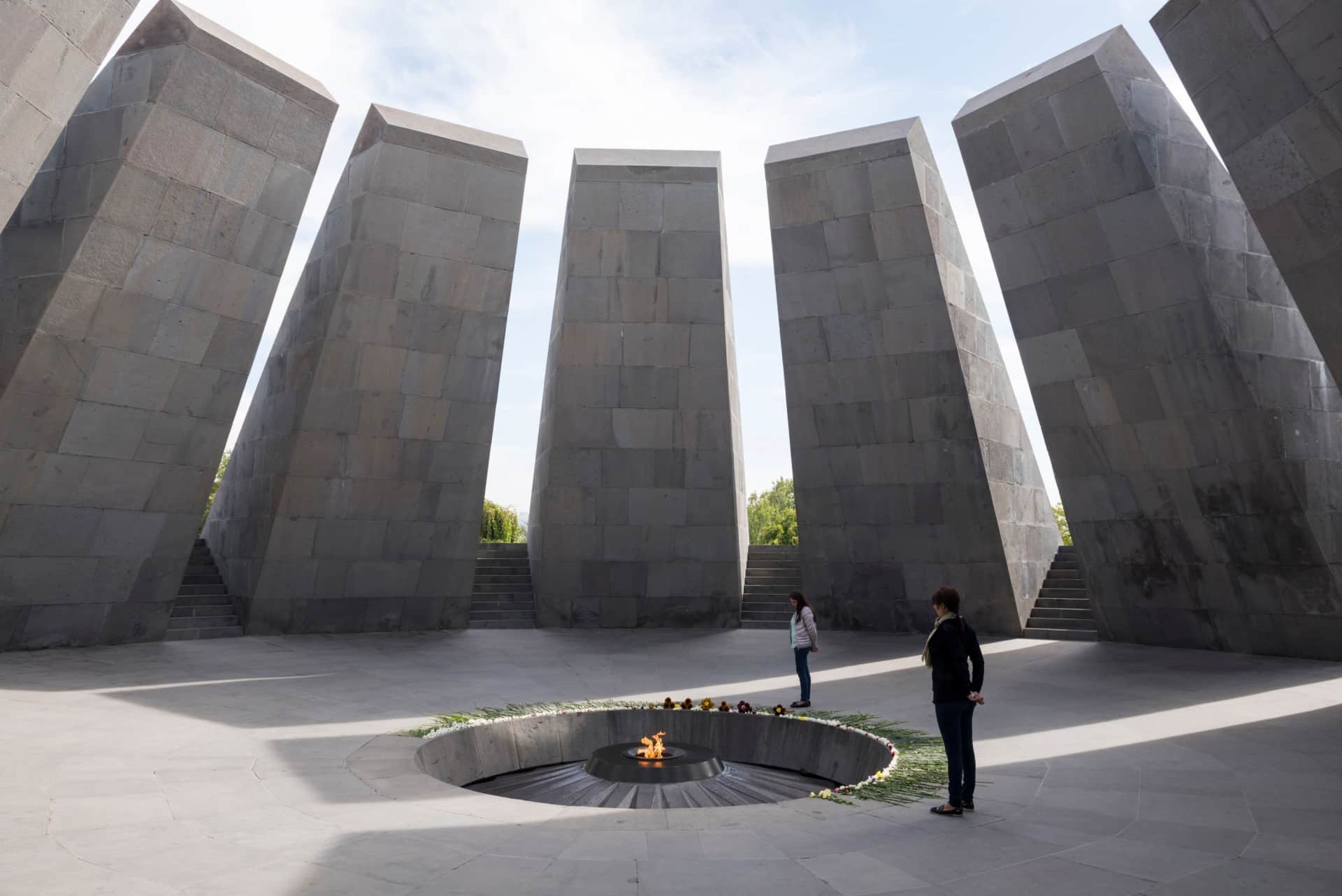
Our of includes a full-day sightseeing of the capital city, . In , we visit a moving memorial to victims of the n genocide, and learn more about the history of with your at the of the Medieval n Culture (Matenadaran). We also make a trip to a brandy factory for a and tastings.
Outside Yerevan, we further explore the cultural heritage of the Armenian people. We include a full-day trip to Khor Virap. This romantically located Armenian monastery has panoramic views across a vast plain to Turkey and the twin peaks of Mount Ararat.
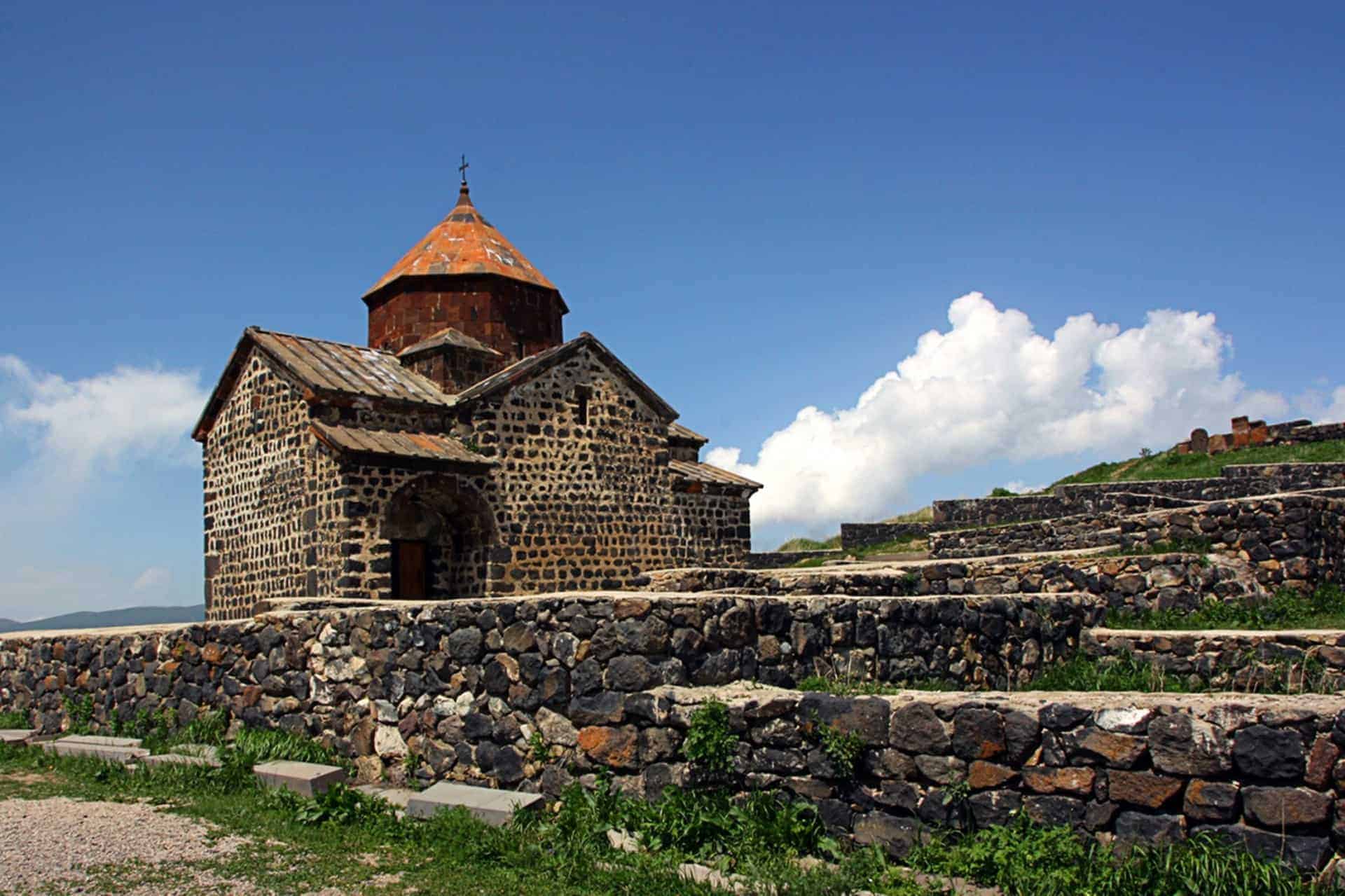
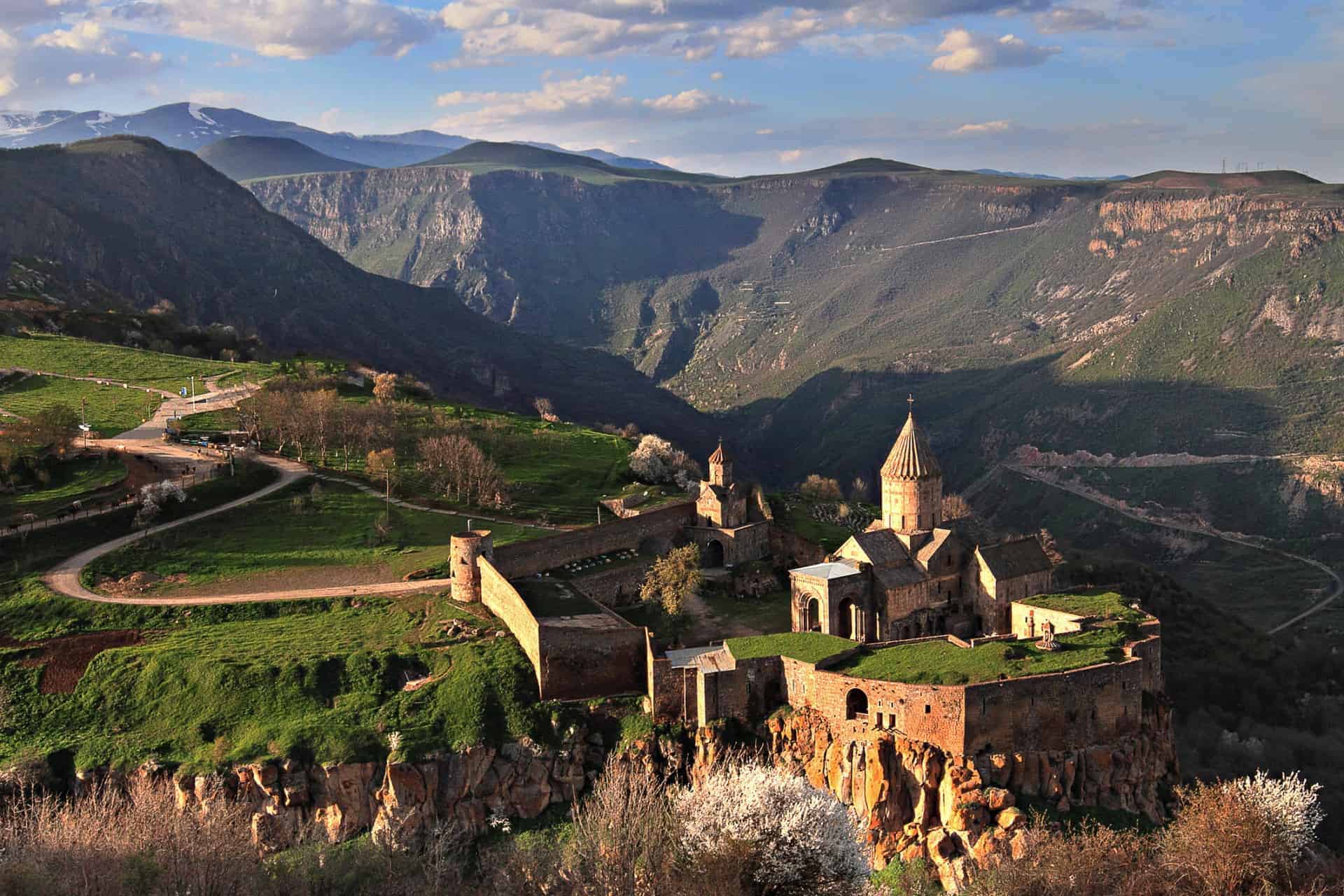
Armenia was the world's first Christian country and the country plays an important role in the Bible. Here, in the atmosphere of historical legend, we see Noah's Ark in the snows of Ararat. According to the book of Genesis, it was here that humankind was reborn. Theatrical ceremonies and festivals take place in a Noah's-Ark-shaped stage against the majestic Mount Ararat. We may also enter the hole where Gregory the Illuminator was jailed for 13 years for dissemination of Christianity in Armenia. Later on, we visit the 13th-century monastery complex of Noravank set in a marvellous canyon. Throughout Armenia as a group we discover and see the evolution of religious architecture and the influence on people.
The Georgia tours are designed for the curious senior, mature couple or solo traveller. During our of and Georgia you have a knowledgable and the best local we can secure for this . On these , your will provide excellent insights into the local culture and history of each of these destinations in the .
For more details, click the 'Top 5' or 'Itinerary' buttons above! If you're keen to experience this tour, please call or send an email. Or, to book, simply fill in the form on the right hand side of this page.
For all the articles Odyssey Traveller has published for mature aged and senior travellers, click through on this link.
Armenia: An Ancient Civilisation View over the city of Yerevan, capital of Armenia, with Mount Ararat in the background With a recorded history of more than 3,500 years, Armenia is home to one of the…

Learn about the physical role the Caucasus mountains have played in shaping the history of the region. Join a small group tour for mature and senior travellers couples and solo travellers to explore and understand the fascinating and intertwined history of Armenia, Georgia and Azerbaijan including the origins of Christianity. in amongst the mosques of Islam.

Ateshgah, the fire temple is visited on a small group tour for mature and senior travellers interested in travelling as a couple or solo traveller to Azerbaijan, often in conjunction with the tour to the Caucasus that includes Georgia and Armenia.

The Palace of the Shirvanshahs in Baku is a highlight of the Georgia, Armenia & Azerbaijan small group tour offered to mature and senior travellers. This is a UNESCO World heritage site.

Georgia, part of the Soviet empire, but its history is far more central to the birth of Christianity than a few decades of Soviet rule. This small group tour of the Caucasus explores Armenia and Azerbaijan as well as Georgia to set the historical framework for this region. The tour is suited for mature and senior travellers travelling as a couple or as a solo traveller.

For small group tour of mature and senior travellers touring Europe, this article provides an insight into the origin of textiles and fabric from Georgia in the Caucasus, to the Roman Empire and Southern Italy and Rome through to the industrial revolution of Britain.

Article that introduces the Caucasus to the mature and senior traveller with a small group tour to Armenia, Georgia and Azerbaijan. The influence of Iran and the Ottomans as well as early Christianity are seen with this escorted group for couples and solo travellers.

Buildings and Christianity in Armenia | Small Group Tours Armenia In this post, we will look at examples of Armenia’s buildings and building design before and after its conversion to Christianity. These buildings represent some…

Article for senior couples and mature solo travellers to learn about the Armenian capital Yerevan. Reading material for a small group tour of the Caucasus that includes Georgia and Tiblisi as well as Azerbaijan.

Baku, capital of Azerbaijan is part of a small group tour of the Caucasus region visiting Georgia and Armenia on the same touring program for mature and senior travellers be the couples or solo.

The Juma mosque is included this small group tour of the Caucasus region for mature and senior travellers as part of the tour program for Azerbaijan. The Caucasus tour also visits Armenia and Georgia.
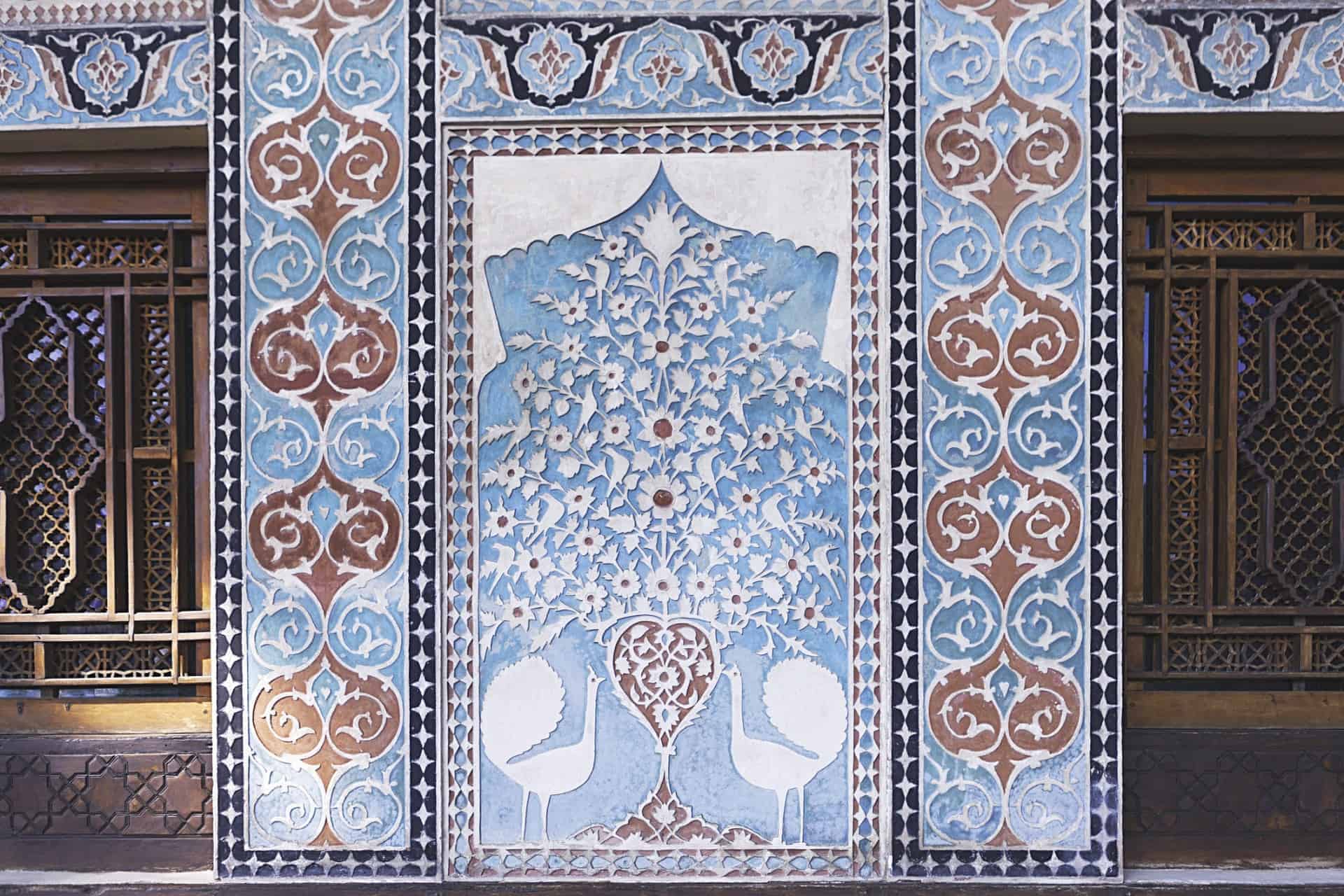
Azerbaijan is part of a small group tour for mature and senior travellers interested in learning and touring though this historic part of central Eurasia.

Learn before visiting Georgia on a small group escorted tour for mature and senior travellers as a couple or solo about the key places to visit. Understand the influence of the Christianity from Armenia, Islam and its mosques and the Ottoman empire influences, all of which are pre Soviet.
Escorted small group tour of Georgia for senior and mature travellers. Learn about the history, the nations of the Caucasus region and visit Tbilisi.

Explore and learn about Tbilisi, the capital of Georgia on a small group tour of the Caucasus for mature and senior travellers couples and solo travellers. A city with with plenty of history from the Romans to the Ottoman empire. Understand how the physical boundary of the Caucasus mountains repelled invaders and shaped the culture.
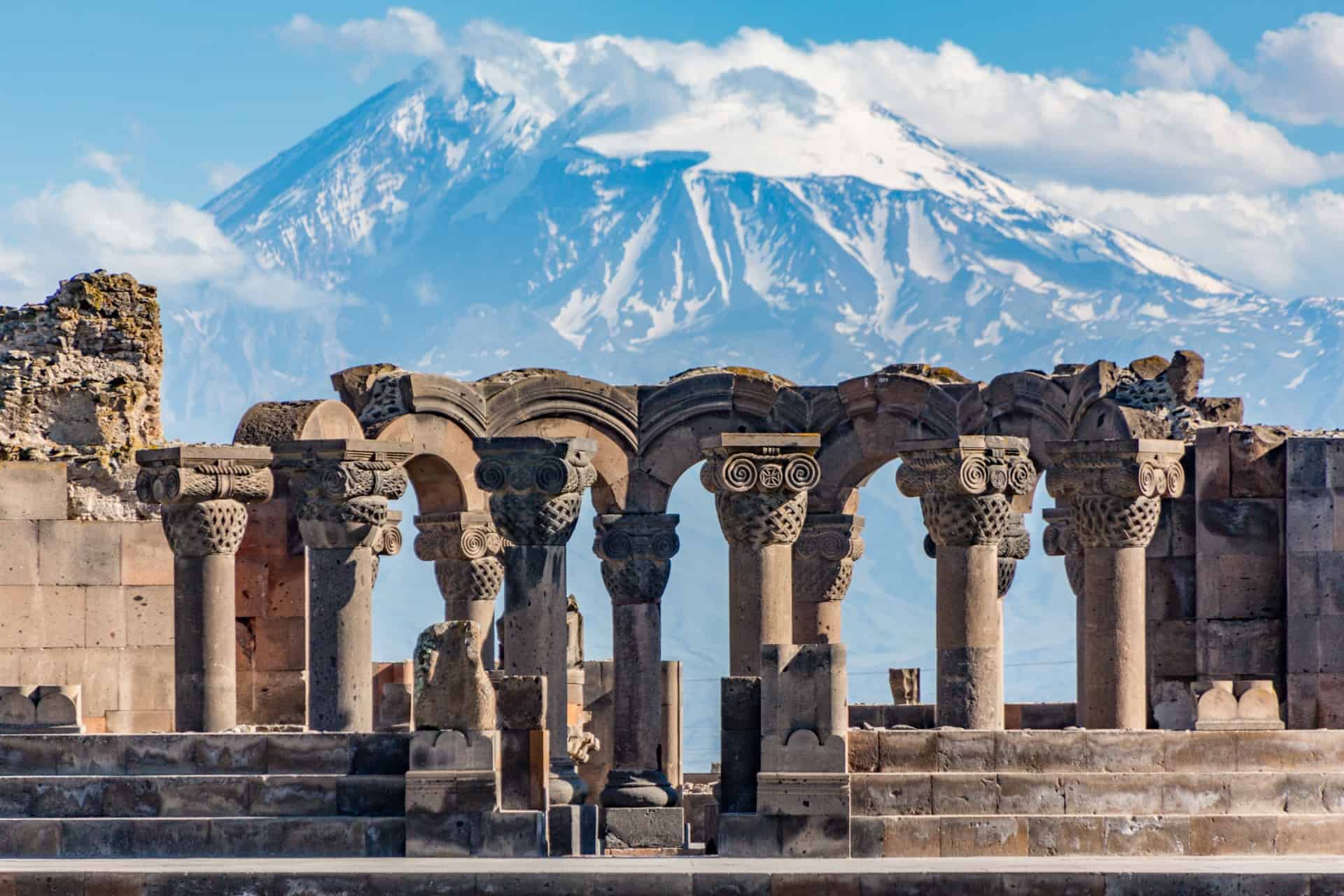
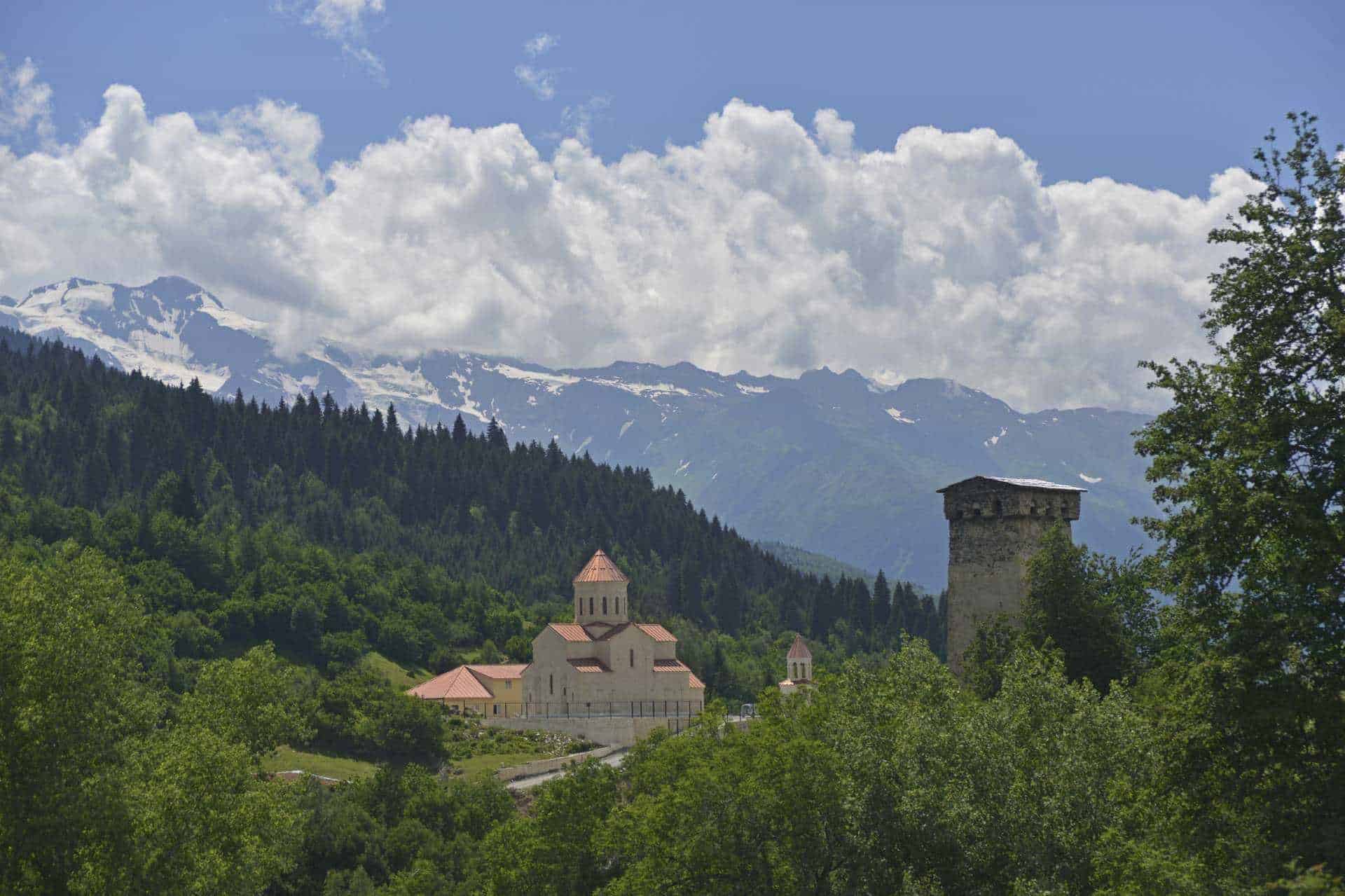
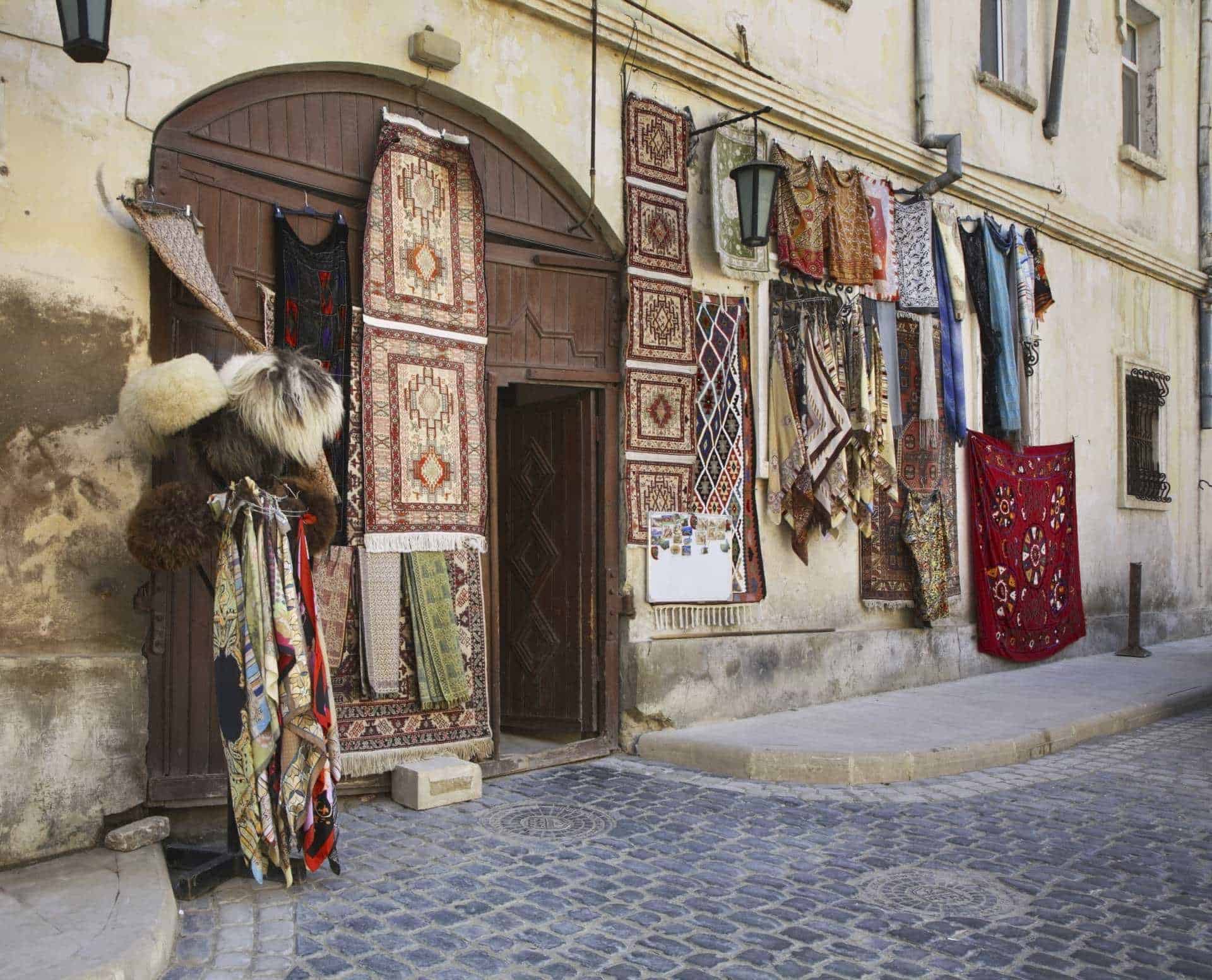








For centuries Malta, Sicily, Sardinia and Corsica held the key to the Mediterranean. We explore ’s the Mediterranean natural beauty, its ancient Roman, and Imperial heritage, its World Heritage Sites, and world famous cities, all with some truly spectacular scenery along the way. This and more is all waiting to be explored on one of Odyssey’s small group tours of the Islands of Mediterranean, designed for the senior traveller, and led by experienced, and enthusiastic like-minded people. This escorted tour of western Mediterranean explores the geography, history, culture and peoples of these 4 islands.
This small group escorted tour explores the magnificent landscapes of Carpathian mountains in Romania, and takes in the vibrant culture and rich heritage of Romanian village life. Travel with like minded people, mature couples or solo travellers.
Taken as a whole, Italian Civilization (which includes, of course, the splendid inheritance of Ancient Rome) is absolutely foundational to Western culture. Music, Painting, Sculpture, Architecture, Literature, Philosophy, Law and Politics all derive from Italy or were adapted and transformed through the medium of Italy.