Ecuador

<p>An Antipodean travel company serving World Travellers since 1983</p>

Quito, Ecuador

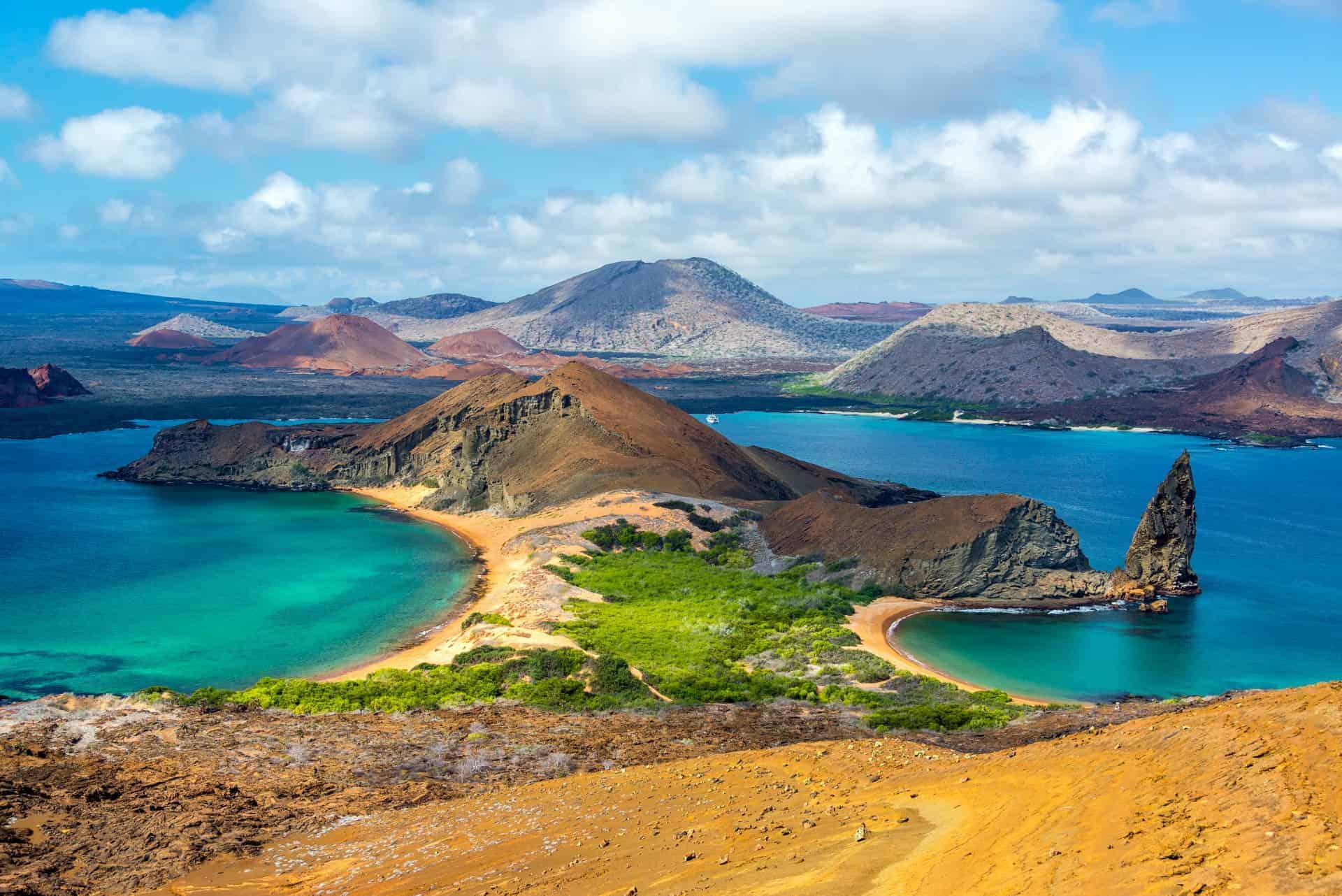
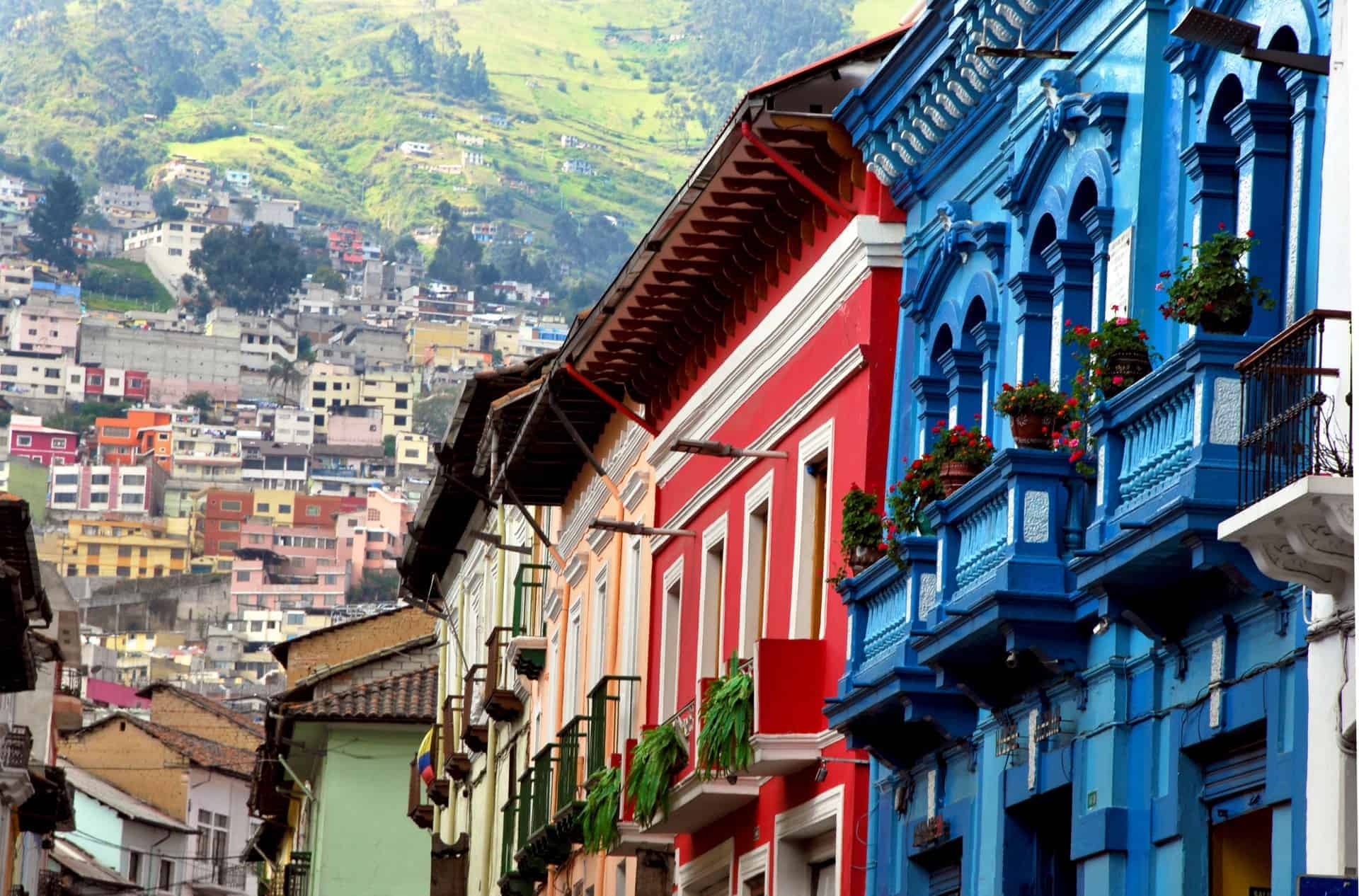
Nestled between the dramatic Andean mountains and the vast expanse of the Pacific Ocean, Ecuador captivates with its diverse landscapes and breathtaking panoramas. From the bustling thoroughfares of Quito to the mesmerizing wilderness of the Galapagos Islands, Ecuador offers a plethora of unique experiences that are truly unparalleled. Embark on an extraordinary journey with Odyssey Traveller as we guide you through this extraordinary destination, promising an unforgettable adventure filled with wonders found nowhere else on the planet.

Crafted Tours for Mature World Travellers

Ecuador Tours

Ecuador and Peru Archaeology tour

This 22-day small group tour highlights the most prominent ancient ruins and archaeological finds across Ecuador and Peru and showcases the vast culture and impact of pre- and post-Inca civilization.

22 days
Departing Apr, Mar

Articles about Ecuador

Armenia Azerbaijan Georgia

10 Unimaginable Destinations: The Definitive Guide

Experience and knowledge shows that they are plenty of places in the world still to be explored by the curious. Our collection of small group tours for seniors as well as mainstream tours to  France or Italy can take the traveller as a couple or solo traveller to places of curiosity such as Panama or Iran the list is endless for the curious.

The need to know

Touring Ecuador

Getting around

Odyssey travels predominantly by coach, supplemented occasionally by local transport such as trains and ferries as detailed in the tour itinerary. Buses, being a cost-effective mode of transport, reach various destinations but are often characterized by slower speeds and high passenger volumes. For expedited travel, domestic flights present a relatively affordable and efficient alternative. While train services are accessible, their sluggish pace may not always make them the most practical choice for transportation within the region.

Accommodation

In urban areas, Odyssey prioritizes centrally situated 3-4 star hotels, ensuring convenient access to public transportation. For smaller towns or rural regions, our preference leans towards family-operated hotels or guesthouses. During extended tours where guests remain in one place throughout, we opt for serviced apartments to accommodate their stay.

Tour Guides

Odyssey consistently enhances your travel experiences by collaborating with knowledgeable local guides well-versed in the region. This deliberate choice ensures an authentic journey where you can delve deep into the rich history and vibrant culture of each destination, fostering a deeper understanding and appreciation of the places you explore.

Geography, Environment, & Weather

Ecuador, located in western South America, shares borders with Colombia to the north and Peru to the south and east, boasting 2,237 kilometers of coastline and spanning 283,561 square kilometers, which includes the renowned Galapagos Islands. The country is characterized by four distinct geographical regions: the Costa (coast), the Sierra (mountains), the lush jungles of Oriente, and the unique Galapagos Islands.

The climatic conditions in Ecuador exhibit significant variation based on the region. The coastal area benefits from moderated temperatures due to cool ocean currents, while the Sierra region experiences fluctuating temperatures driven by altitude, leading to warm daytime highs and cool to cold night-time lows. Moving towards the eastern Oriente region, a tropical climate prevails with consistent heat and humidity year-round, accompanied by heavy rainfall. In the Galapagos Islands, the weather remains relatively stable throughout the seasons, with warmer temperatures from December to May and cooler conditions from June to November. Travelers are advised to stay informed about the weather patterns based on their destination and time of visit to Ecuador to prepare adequately for their trip.

World Heritage sites

Ecuador boasts 5 UNESCO World Heritage Sites, including the Historic Centre of Santa Ana de los Ríos de Cuenca, renowned for its stunning Spanish colonial architecture with a history spanning centuries. Another noteworthy site is the Qhapaq Ñan (Andean Road System), an elaborate ancient network of roads that interconnected the former Incan empire. Additionally, the Sangay National Park stands out for its diverse ecosystems, encompassing glacial and volcanic landscapes, wetlands, grasslands, and tropical rainforests. These sites not only showcase Ecuador’s rich cultural and natural heritage but also offer a captivating glimpse into the country’s history and biodiversity.

Festivals & Events

Ecuador’s vibrant culture uniquely blends Spanish and pre-Columbian native influences, showcased vividly in a variety of festivals held throughout the year. Among these is the Inti Raymi Celebration, observed on June 21 in highland indigenous villages, honoring the gods Inti (Sun) and Pachamama (Earth Mother) for bountiful harvests. A striking event on the Ecuadorian calendar is La Diablada de Píllaro, held in the Pillaro region in early January, where crowds adorned in intricate ‘devil’ costumes dance through the streets for several days. The strong influence of the Roman Catholic Church is deeply ingrained in Ecuadorian culture, notably reflected in the Carnival festival occurring 40 days before Easter annually. Carnival in Ecuador is marked by lively parades, music, and revelry, including the playful tradition of spraying water and flour on passersby in the streets.

Reading List

  • The Ecuador Reader: History, Culture, Politics, edited by Steve Striffler
  • The Queen of Water, by Laura Resau and Maria Virginia Farinango
  • Cañar: A Year in the Highlands of Ecuador, by Judy Blankenship
  • Through Gates of Splendor, by Elisabeth Ellio

Eating & Drinking

Ecuadorian cuisine embraces a rich tapestry of flavors, with a strong emphasis on meat, seafood, potatoes, corn, and rice. One standout dish is Bolon de Verde, a hearty treat consisting of mashed green plantains shaped into a ball, stuffed with meat and sometimes cheese, and then fried to perfection. Ceviche, another beloved culinary delight in Ecuador, blends a medley of seafood and shellfish marinated in a zesty broth of lime juice and other citrus juices, particularly relished along the coastal regions. Fruits play a significant role in Ecuadorian gastronomy, with plantains (referred to as ‘cooking bananas’) and the luscious cherimoya fruit, often savored as a refreshing juice, adding vibrant flavors. To quench their thirst, Ecuadorians indulge in a variety of beverages such as canelazo, a warm alcoholic concoction made from sugarcane alcohol, fruit juice, cinnamon, and cloves, and colada morada, a tantalizing drink crafted with an array of fruits, spices, and purple corn flour.

Health & Safety

Travellers to Ecuador are currently cautioned by smartraveller.gov.au to exercise heightened caution, especially in border provinces like Sucumbios and Esmeraldas, and within 20 kilometers of the Colombian border due to increased security risks. The country faces challenges with crime, underscoring the importance of prioritizing personal security. Remember, it is a legal requirement to carry identification with you at all times while in Ecuador.

Electrical Supply

When traveling abroad, it’s crucial to be prepared with the correct travel adaptor. In Ecuador, the electrical system operates at 120V and 60Hz, accommodating both Type A and Type B electric plugs. Therefore, it is essential to have the appropriate adaptor to ensure your devices can be safely and effectively connected during your stay in Ecuador.

FAQs

Ecuador has two time zones, Ecuador Time (UTC-5) and Galapagos Time (UTC-6). Ecuador does not observe daylight savings.

When traveling in Ecuador, tipping etiquette is an important aspect to consider. While on an organized tour like Odyssey, tipping is typically taken care of, but when exploring independently, it’s customary to show appreciation for good service. While tipping is not obligatory, it is a common practice to acknowledge quality service with a gratuity. For taxi drivers and hotel housekeeping staff, a modest tip ranging from $2 to $3 is customary, while bell boys at hotels usually receive around $0.50 to $1 per bag handled.

In more upscale dining establishments, a service charge of around 10% is usually included in the bill; however, it is customary to leave an additional tip of 3-5% for the server. Conversely, smaller restaurants may not include a service charge, making a 10% tip to the server customary. By adhering to these tipping customs, you can show your appreciation for the services provided while exploring the beautiful country of Ecuador.
Larger hotels, upscale restaurants, airports, and shopping centres typically provide WiFi services, but it’s important to note that charges may apply in some instances.

Ensure to contact your cell phone provider to verify if you can make calls and use data while in Ecuador. Several providers offer daily fees enabling calls and internet usage at regular rates. Remember to notify your provider about your overseas travel to avoid disruptions in service due to unusual activity, akin to how banks may freeze accounts for suspicious transactions.

Responsible travel tips for Ecuador

  • Learn some local greetings to connect with the locals and enrich your experience in Ecuador. While English is widely spoken, knowing basic phrases in the native language can enhance your cultural immersion.
  • Keep a business card from your hotel for easy navigation back if you get lost while exploring. This simple measure can be a lifesaver during your travels.
  • Don’t forget to secure travel insurance to safeguard your trip. If you need assistance with this aspect, feel free to reach out to Odyssey for guidance and support.
  • When traveling solo, remember to confirm the operating hours of shops and museums to avoid missing out on key experiences. Note that museums and galleries often close on Mondays, so plan your itinerary accordingly. Additionally, check for any public holidays that coincide with your trip to better plan your activities.
  • Notify your bank before your trip to prevent any issues with overseas purchases. Informing them in advance can help avoid any flags on your account for suspicious activity. Furthermore, research ATMs and banks that are compatible with your cards to minimize withdrawal fees.
  • Before setting off, ensure you have a supply of US dollars in various denominations. While it’s not advisable to carry large sums of cash, having enough on hand makes it convenient to make payments in places that may not accept credit cards.

Join 22,383 travellers receiving our weekly newsletter.